
Hyundai Ioniq (AE): High Voltage Battery Control System / Battery Temperature Sensor. Specifications
Hyundai Ioniq (AE) 2017-2022 Service & Repair Manual / Hybrid Control System / High Voltage Battery Control System / Battery Temperature Sensor. Specifications
| Specification |
[Air Inlet]
|
Temperature
|
Resistance (kΩ)
| |
|
°C
|
°F
| |
| -50 | -58 | 314.9 - 344.6 |
| -40 | -40 | 181.1 - 196.0 |
| -30 | -22 | 107.5 - 115.2 |
| -20 | -4 | 65.82 - 69.77 |
| -10 | 14 | 41.43 - 43.52 |
| 0 | 32 | 26.74 - 27.83 |
| 10 | 50 | 17.67 - 18.25 |
| 20 | 68 | 11.94 - 12.24 |
| 30 | 86 | 8.214 - 8.411 |
| 40 | 104 | 5.738 - 5.918 |
| 50 | 122 | 4.082 - 4.239 |
| 60 | 140 | 2.954 - 3.087 |
| 70 | 158 | 2.172 - 2.284 |
| 80 | 176 | 1.621 - 1.715 |
| 90 | 194 | 1.227 - 1.305 |
| 100 | 212 | 0.941 - 1.006 |
| 110 | 230 | 0.731 - 0.785 |
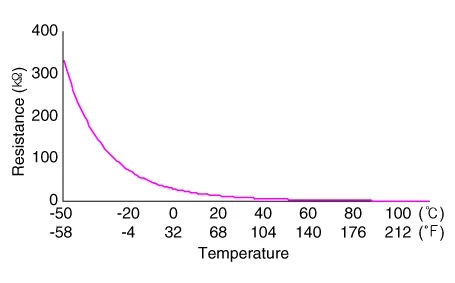
[Cell]
|
Temperature
|
Resistance (kΩ)
| |
|
°C
|
°F
| |
| -50 | -58 | 351.1 - 385.0 |
| -40 | -40 | 196.6 - 213.1 |
| -30 | -22 | 114.4 - 122.7 |
| -20 | -4 | 68.94 - 73.15 |
| -10 | 14 | 42.59 - 44.76 |
| 0 | 32 | 27.14 - 28.27 |
| 10 | 50 | 17.78 - 18.36 |
| 20 | 68 | 11.96 - 12.25 |
| 30 | 86 | 8.202 - 8.399 |
| 40 | 104 | 5.721 - 5.901 |
| 50 | 122 | 4.069 - 4.226 |
| 60 | 140 | 2.945 - 3.078 |
| 70 | 158 | 2.169 - 2.280 |
| 80 | 176 | 1.622 - 1.715 |
| 90 | 194 | 1.228 - 1.306 |
DescriptionBattery Temperature Sensor is installed inside the high voltage battery pack assembly. It measures the temperature of the battery module 1, 4 and air inlet.
Circuit Diagram
Other information:
Hyundai Ioniq (AE) 2017-2022 Service & Repair Manual: A/C Pressure Transducer. Repair procedures
Inspection • Before measuring the pressure of the refriferant line, check whether the refrigerant amount is charged in accordance with the specified charging amount.(Refer to Heating, Ventilation, Air Conditioning - "Specifications")1.
Hyundai Ioniq (AE) 2017-2022 Service & Repair Manual: Auto Defoging Actuator. Components and components location
C
Categories
- Manuals Home
- Hyundai Ioniq Owners Manual
- Hyundai Ioniq Service Manual
- DCT(Dual Clutch Transmission) System
- Suspension System
- Body (Interior and Exterior)
- New on site
- Most important about car

Copyright © 2026 www.hioniqae.com - 0.0214