
Hyundai Ioniq (AE): Engine Control System / Components and components location
| Components Location |
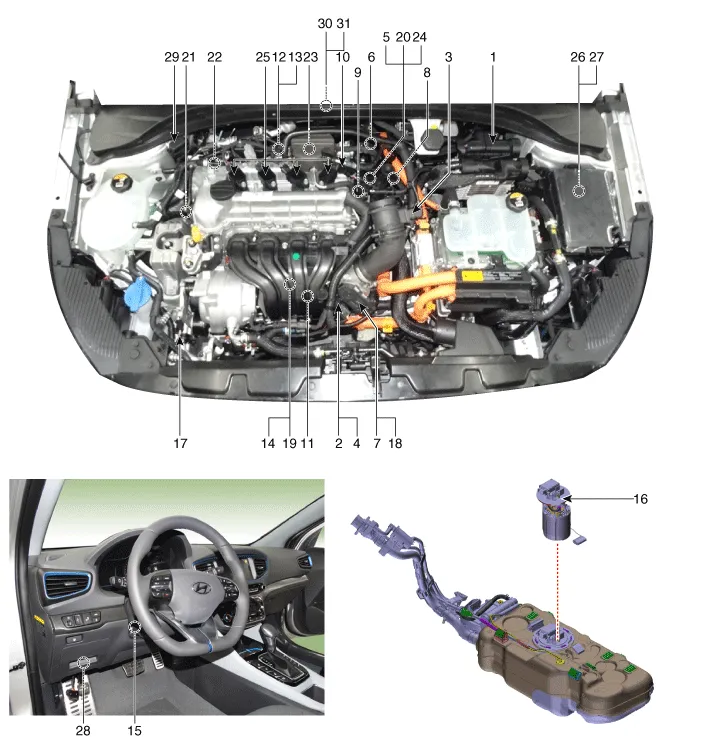
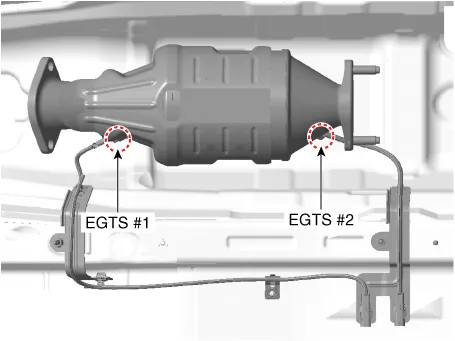
| 1. Engine Control Module (ECM) 2. Manifold Absolute Pressure Sensor (MAPS) 3. Mass Air Flow Sensor (MAFS) 4. Intake Air Temperature Sensor (IATS) 5. Engine Coolant Temperature Sensor (ECTS) [Water Temperature Control Assembly] 6. Engine Coolant Temperature Sensor (ECTS) [EGR Cooler Tube] 7. Throttle Position Sensor (TPS) [integrated into ETC Module] 8. Crankshaft Position Sensor (CKPS) 9. Camshaft Position Sensor (CMPS) [Bank 1 / Intake] 10. Camshaft Position Sensor (CMPS) [Bank 1 / Exhaust] 11. Knock Sensor (KS) 12. Heated Oxygen Sensor (HO2S) [Bank 1 / Sensor 1] 13. Heated Oxygen Sensor (HO2S) [Bank 1 / Sensor 2] 14. Rail Pressure Sensor (RPS) 15. Accelerator Position Sensor (APS) | 16. Fuel Pressure Sensor (FPS) 17. A/C Pressure Transducer (APT) 18. ETC Motor [integrated into ETC Module] 19. Injector 20. Purge Control Solenoid Valve (PCSV) 21. CVVT Oil Control Solenoid (OCS) [Bank 1 / Intake] 22. CVVT Oil Control Valve (OCV) [Bank 1 / Exhaust] 23. Fuel Pressure Control Valve (FPCV) 24. Electric EGR Control Valve 25. Ignition Coil 26. Main Relay 27. Fuel Pump Relay 28. Data Link Connector (DLC) [16-Pin] 29. Multi-Purpose Check Connector [20-Pin] 30. Exhaust Gas Temperature Sensor (EGTS) #1 (T3) 31. Exhaust Gas Temperature Sensor (EGTS) #2 (T4) |
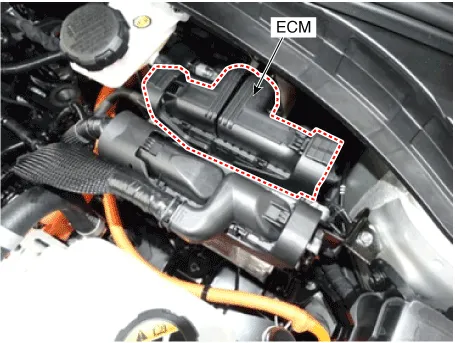
| 1. Engine Control Module (ECM) | 2. Manifold Absolute Pressure Sensor (MAPS) 4. Intake Air Temperature Sensor (IATS) |
|
|
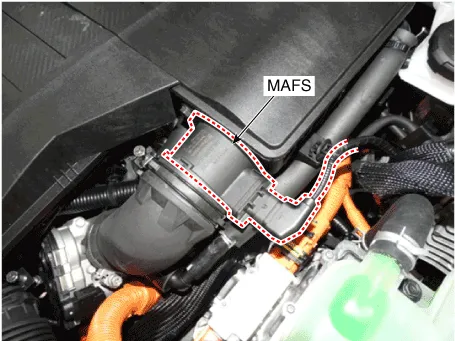
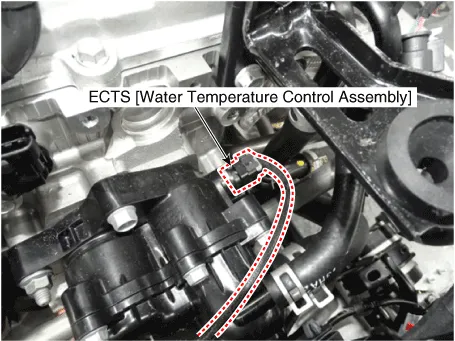
| 3. Mass Air Flow Sensor (MAFS) | 5. Engine Coolant Temperature Sensor (ECTS) [Water Temperature Control Assembly] |
|
|
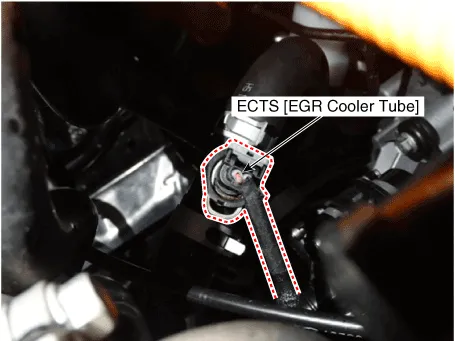
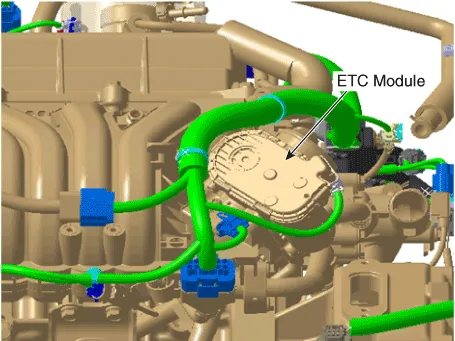
| 6. Engine Coolant Temperature Sensor (ECTS) [EGR Cooler Tube] | 7. Throttle Position Sensor (TPS) [integrated into ETC Module] 18. ETC Motor [integrated into ETC Module] |
|
|
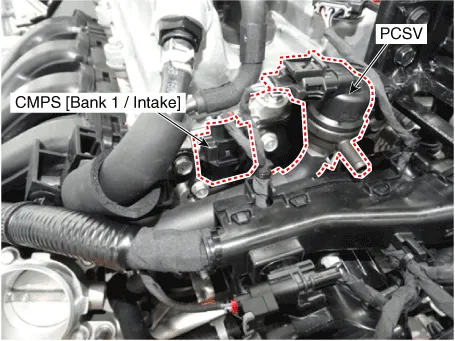
| 8. Crankshaft Position Sensor (CKPS) | 9. Camshaft Position Sensor (CMPS) [Bank 1 / Intake] 20. Purge Control Solenoid Valve (PCSV) |
|
|
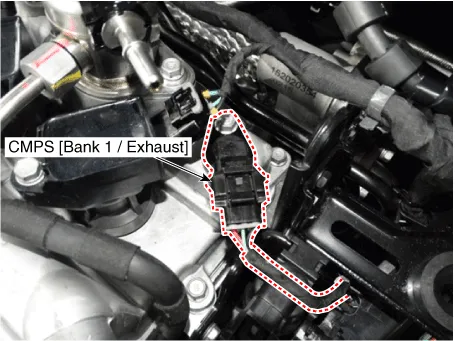
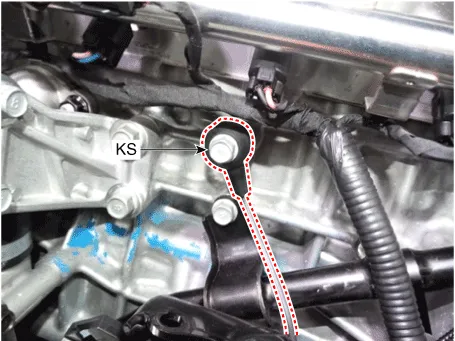
| 10. Camshaft Position Sensor (CMPS) [Bank 1 / Exhaust] | 11. Knock Sensor (KS) |
|
|
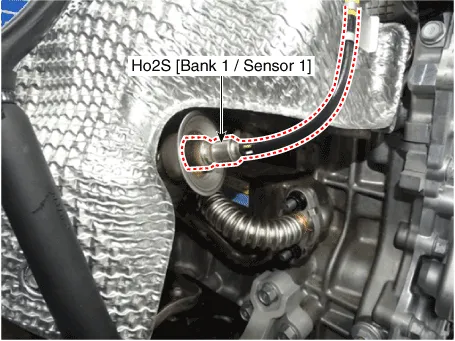
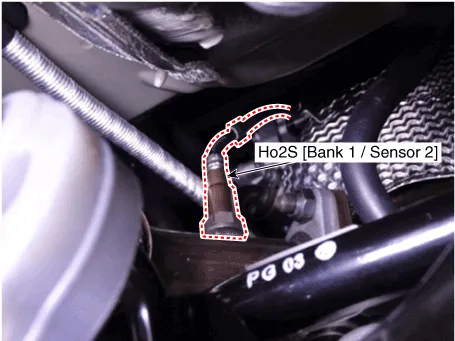
| 12. Heated Oxygen Sensor (HO2S) [Bank 1 / Sensor 1] | 13. Heated Oxygen Sensor (HO2S) [Bank 1 / Sensor 2] |
|
|
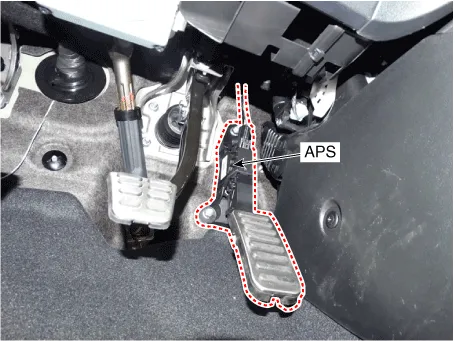
| 14. Rail Pressure Sensor (RPS) 19. Injector | 15. Accelerator Position Sensor (APS) |
|
|
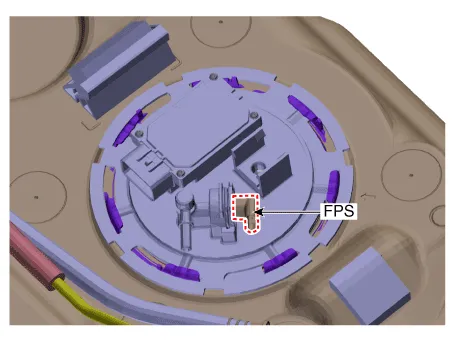
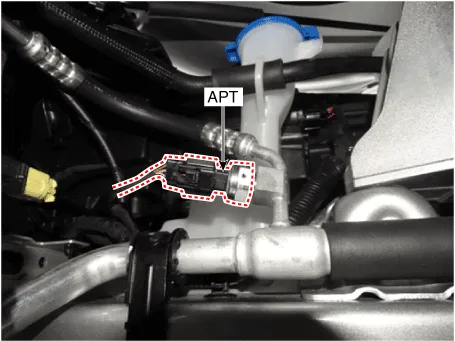
| 16. Fuel Pressure Sensor (FPS) | 17. A/C Pressure Transducer (APT) |
|
|
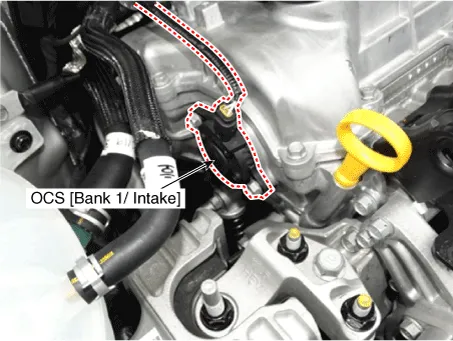
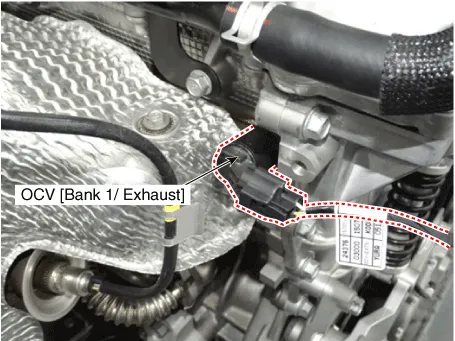
| 21. CVVT Oil Control Solenoid (OCS) [Bank 1 / Intake] | 22. CVVT Oil Control Valve (OCV) [Bank 1 / Exhaust] |
|
|
| 23. Fuel Pressure Control Valve (FPCV) 25. Ignition Coil | 24. Electric EGR Control Valve |
|
|
| 26. Main Relay 27. Fuel Pump Relay | 28. Data Link Connector (DLC) [16-Pin] |
|
|
| 29. Multi-Purpose Check Connector [20-Pin] | 30. Exhaust Gas Temperature Sensor (EGTS) #1 (T3) 31. Exhaust Gas Temperature Sensor (EGTS) #2 (T4) |
|
|



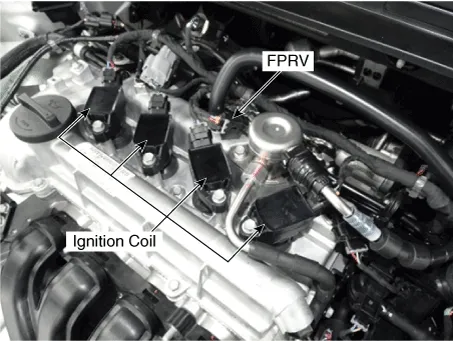

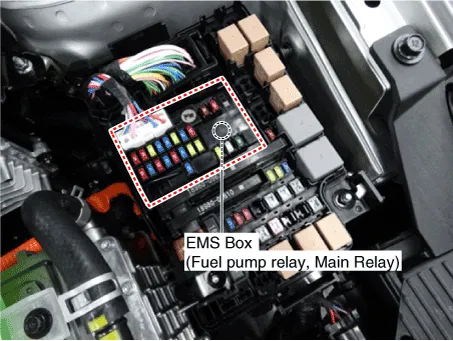
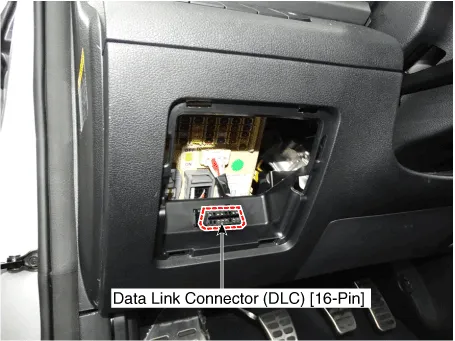
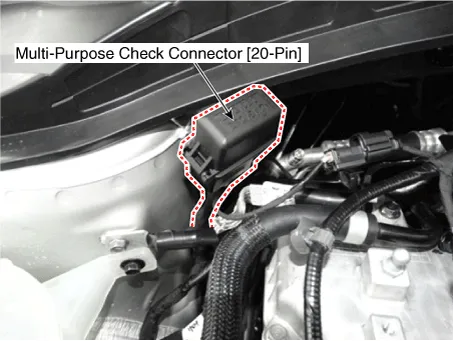
DescriptionIf the Gasoline Engine Control system components (sensors, ECM, injector, etc.) fail, interruption to the fuel supply or failure to supply the proper amount of fuel for various engine operating conditions will result.
Other information:
Hyundai Ioniq (AE) 2017-2022 Service & Repair Manual: Photo Sensor. Repair procedures
Inspection1.Turn the ignition switch ON.2.Connect the GDS.3.Emit intensive light toward the photo sensor using a lamp, and check the output voltage change.4.The voltage will rise with higher intensive light and reduce with lower intensive light.1. Auto light signal2.
Hyundai Ioniq (AE) 2017-2022 Service & Repair Manual: Schematic diagrams
Trouble Symptom ChartsComponent Parts and Function Outline Component part Function Cruise Control Switch Input the set speed and distance to the SCC ECU. Instrument Cluster Display various information inputted from SCC.
Categories
- Manuals Home
- Hyundai Ioniq Owners Manual
- Hyundai Ioniq Service Manual
- Description and operation
- Transmission Gear Oil. Repair procedures
- Maintenance
- New on site
- Most important about car
