
Hyundai Ioniq (AE): Lubrication System / Engine Oil. Repair procedures
Hyundai Ioniq (AE) 2017-2022 Service & Repair Manual / Engine Mechanical System / Lubrication System / Engine Oil. Repair procedures
| Engine Oil and Filter Replacement |
|

| 1. | Drain the engine oil.
|
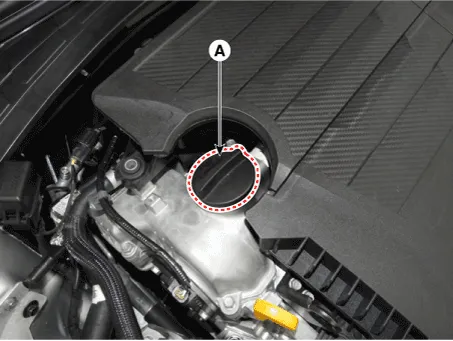
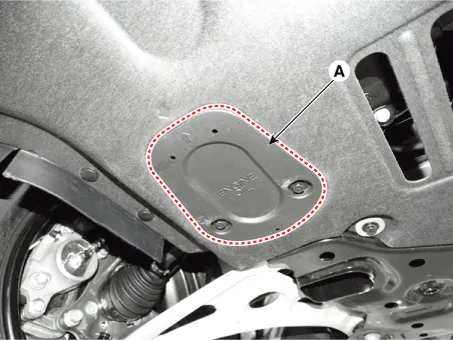
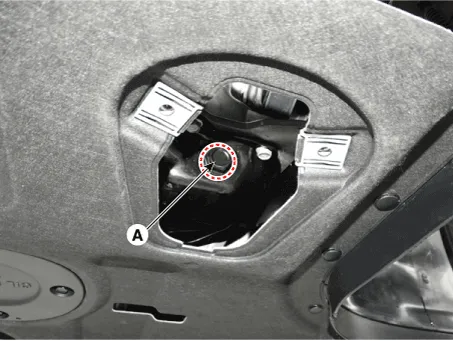
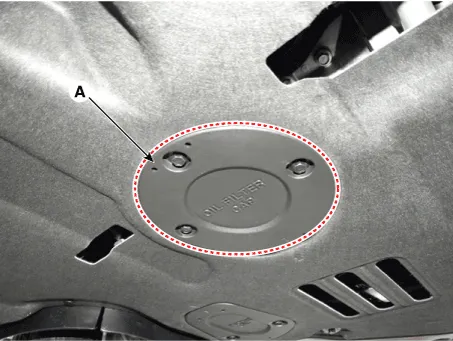
| 2. | Replace the oil filter.
|
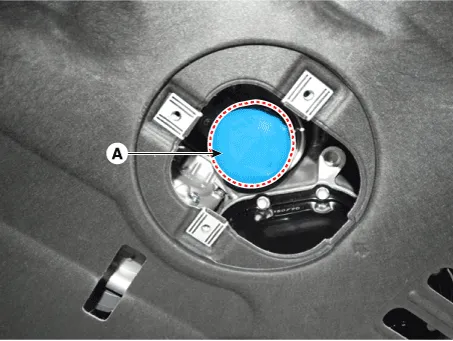
| 3. | Fill with new engine oil.
|
| 4. | Start engine and check for oil leaks. |
| 5. | Recheck the engine oil level. |
| Inspection |
| 1. | Check the engine oil quality. Check for oil deterioration, entry of water, discoloring of thinning. If the quality is visibly poor, replace the oil. |
| 2. | Check the engine oil level. After warming up the engine for five minutes, stop the engine and check the oil level. The level should be between the "L" and "F" marks on the dipstick. If low, check for oil leakage and add oil up to the "F" mark on the dipstick. |
Selection of Engine Oil
Specifications :
5W-30 / ACEA A5 / B5
|

Allowed SAE Viscosity
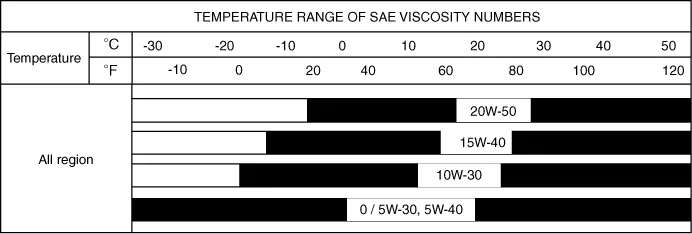
For best performance and maximum protection of all types of operation, select only those lubricants which:
|

Components1. Inner rotor2. Outer rotor3. Oil seal4. Plug5. Relief spring6. Relief plunger7. Oil pump cover8. O-ring
Other information:
Hyundai Ioniq (AE) 2017-2022 Service & Repair Manual: In-car Sensor. Repair procedures
Diagnosis With GDS1.The heating, ventilation and air conditioning can be quickly diagnosed failed parts with vehicle diagnostic system (GDS).※ The diagnostic system (GDS) provides the following information.(1) Self diagnosis : Checking the failure code (DTC) and display.
Hyundai Ioniq (AE) 2017-2022 Service & Repair Manual: Components and components location
C
Categories
- Manuals Home
- Hyundai Ioniq Owners Manual
- Hyundai Ioniq Service Manual
- Brake System
- Jump starting procedure
- Front Disc Brake. Repair procedures
- New on site
- Most important about car

Copyright © 2026 www.hioniqae.com - 0.0169