
Hyundai Ioniq (AE): Engine Control System / Components and components location
| Components Location |
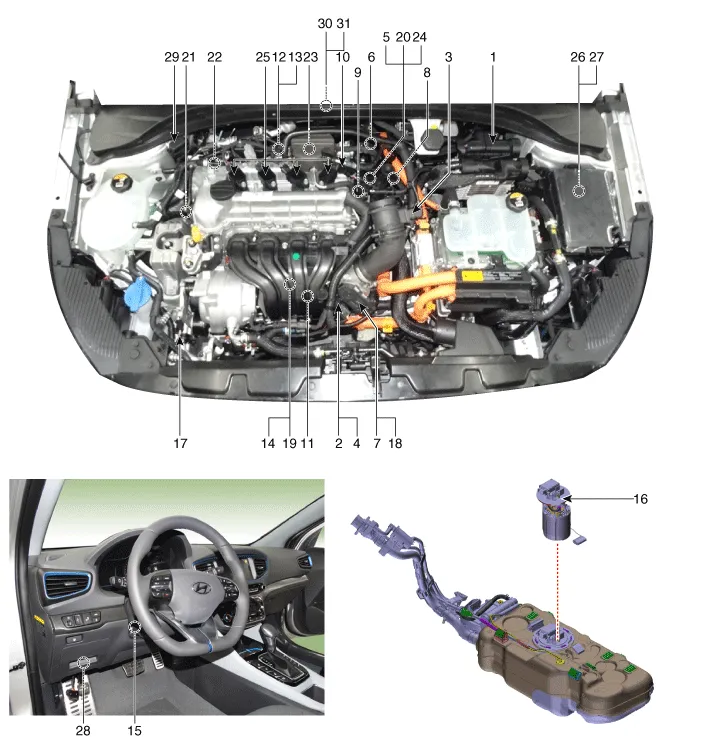
| 1. Engine Control Module (ECM) 2. Manifold Absolute Pressure Sensor (MAPS) 3. Mass Air Flow Sensor (MAFS) 4. Intake Air Temperature Sensor (IATS) 5. Engine Coolant Temperature Sensor (ECTS) [Water Temperature Control Assembly] 6. Engine Coolant Temperature Sensor (ECTS) [EGR Cooler Tube] 7. Throttle Position Sensor (TPS) [integrated into ETC Module] 8. Crankshaft Position Sensor (CKPS) 9. Camshaft Position Sensor (CMPS) [Bank 1 / Intake] 10. Camshaft Position Sensor (CMPS) [Bank 1 / Exhaust] 11. Knock Sensor (KS) 12. Heated Oxygen Sensor (HO2S) [Bank 1 / Sensor 1] 13. Heated Oxygen Sensor (HO2S) [Bank 1 / Sensor 2] 14. Rail Pressure Sensor (RPS) 15. Accelerator Position Sensor (APS) | 16. Fuel Pressure Sensor (FPS) 17. A/C Pressure Transducer (APT) 18. ETC Motor [integrated into ETC Module] 19. Injector 20. Purge Control Solenoid Valve (PCSV) 21. CVVT Oil Control Solenoid (OCS) [Bank 1 / Intake] 22. CVVT Oil Control Valve (OCV) [Bank 1 / Exhaust] 23. Fuel Pressure Control Valve (FPCV) 24. Electric EGR Control Valve 25. Ignition Coil 26. Main Relay 27. Fuel Pump Relay 28. Data Link Connector (DLC) [16-Pin] 29. Multi-Purpose Check Connector [20-Pin] 30. Exhaust Gas Temperature Sensor (EGTS) #1 (T3) 31. Exhaust Gas Temperature Sensor (EGTS) #2 (T4) |
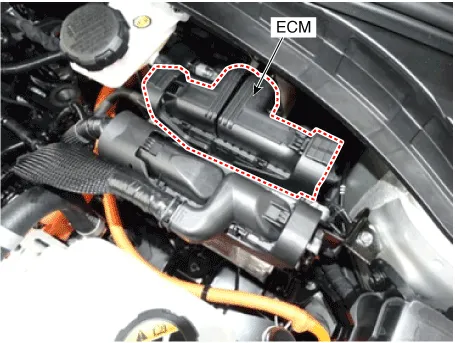
| 1. Engine Control Module (ECM) | 2. Manifold Absolute Pressure Sensor (MAPS) 4. Intake Air Temperature Sensor (IATS) |
|
|
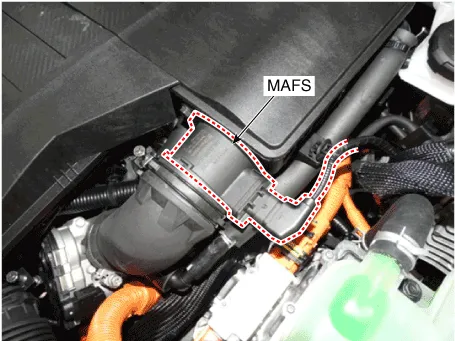
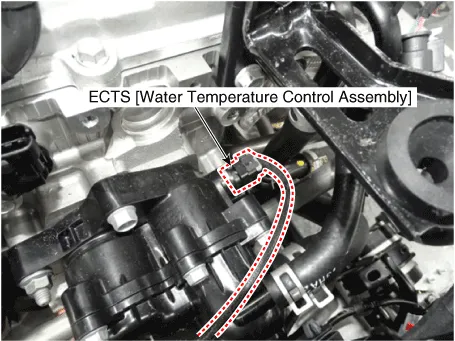
| 3. Mass Air Flow Sensor (MAFS) | 5. Engine Coolant Temperature Sensor (ECTS) [Water Temperature Control Assembly] |
|
|
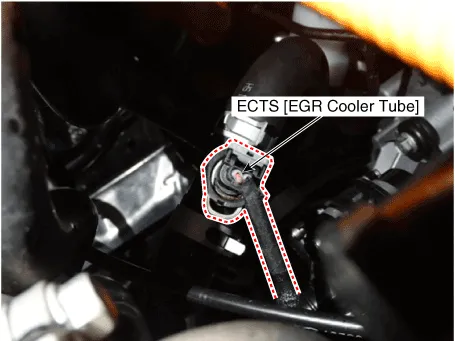
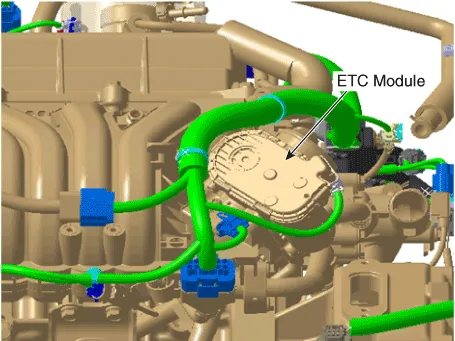
| 6. Engine Coolant Temperature Sensor (ECTS) [EGR Cooler Tube] | 7. Throttle Position Sensor (TPS) [integrated into ETC Module] 18. ETC Motor [integrated into ETC Module] |
|
|
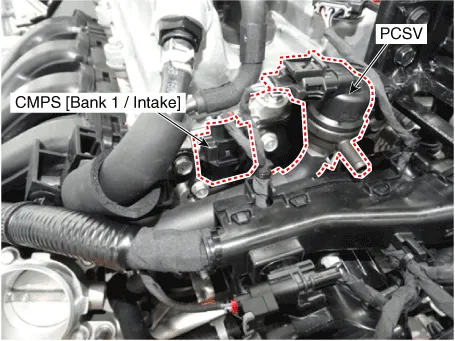
| 8. Crankshaft Position Sensor (CKPS) | 9. Camshaft Position Sensor (CMPS) [Bank 1 / Intake] 20. Purge Control Solenoid Valve (PCSV) |
|
|
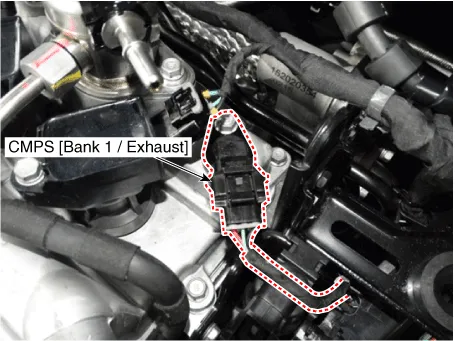
| 10. Camshaft Position Sensor (CMPS) [Bank 1 / Exhaust] | 11. Knock Sensor (KS) |
|
|
| 12. Heated Oxygen Sensor (HO2S) [Bank 1 / Sensor 1] | 13. Heated Oxygen Sensor (HO2S) [Bank 1 / Sensor 2] |
|
|
| 14. Rail Pressure Sensor (RPS) 19. Injector | 15. Accelerator Position Sensor (APS) |
|
|
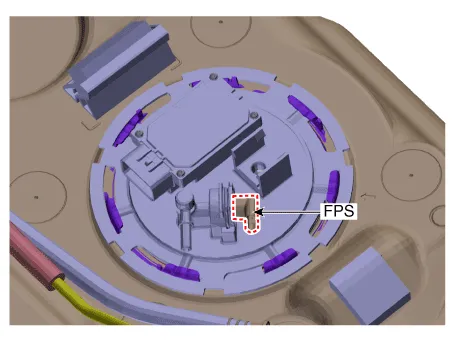
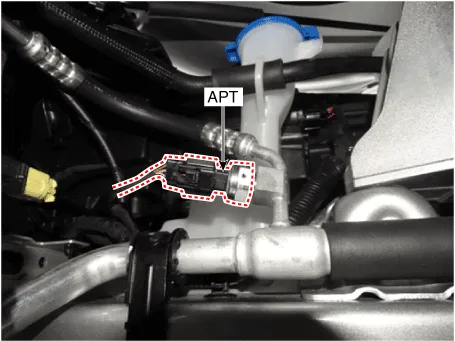
| 16. Fuel Pressure Sensor (FPS) | 17. A/C Pressure Transducer (APT) |
|
|
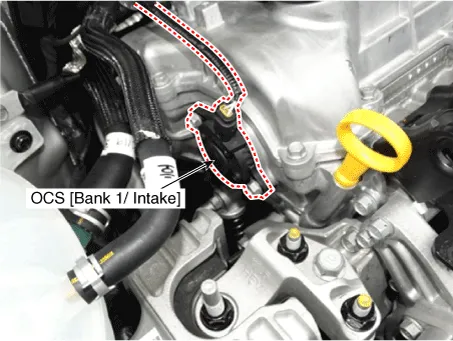
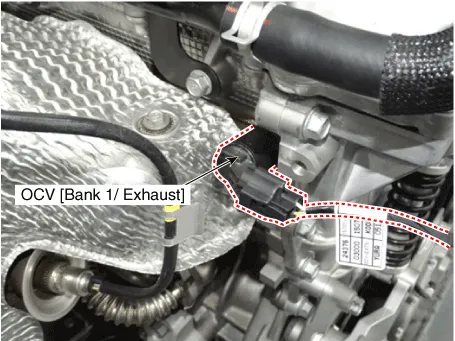
| 21. CVVT Oil Control Solenoid (OCS) [Bank 1 / Intake] | 22. CVVT Oil Control Valve (OCV) [Bank 1 / Exhaust] |
|
|
| 23. Fuel Pressure Control Valve (FPCV) 25. Ignition Coil | 24. Electric EGR Control Valve |
|
|
| 26. Main Relay 27. Fuel Pump Relay | 28. Data Link Connector (DLC) [16-Pin] |
|
|
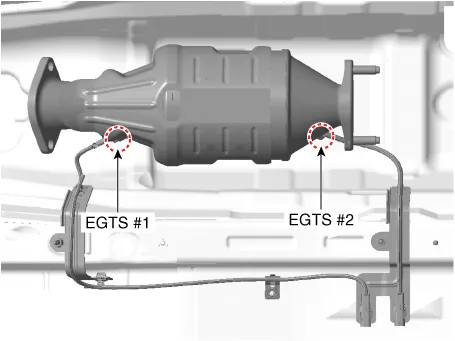
| 29. Multi-Purpose Check Connector [20-Pin] | 30. Exhaust Gas Temperature Sensor (EGTS) #1 (T3) 31. Exhaust Gas Temperature Sensor (EGTS) #2 (T4) |
|
|


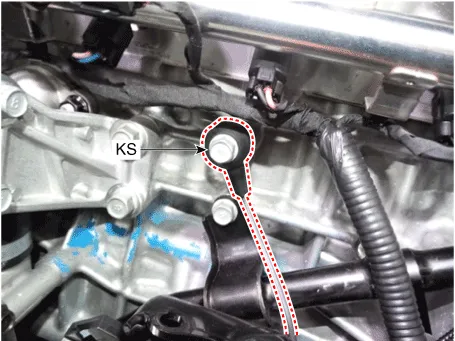
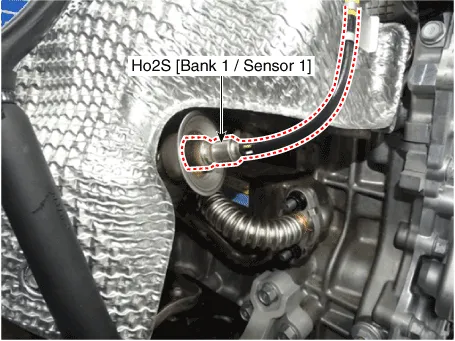
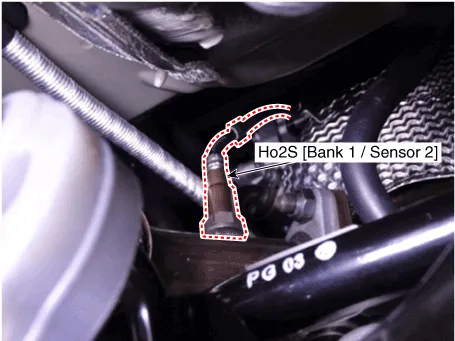

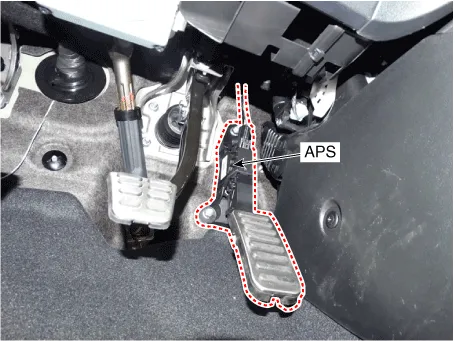
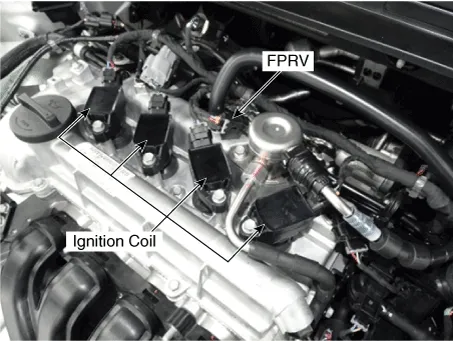

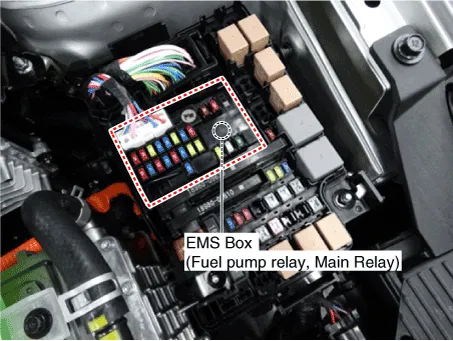
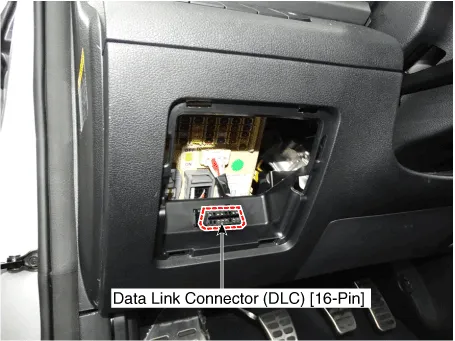
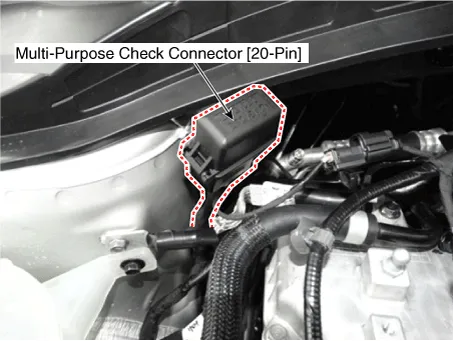
DescriptionIf the Gasoline Engine Control system components (sensors, ECM, injector, etc.) fail, interruption to the fuel supply or failure to supply the proper amount of fuel for various engine operating conditions will result.
Other information:
Hyundai Ioniq (AE) 2017-2022 Service & Repair Manual: Repair procedures
Replacement1.Remove the battery (-) terminal.2.Remove the engine room under cover.(Refer to Engine Mechanical System - "Engine Room Under Cover")3.Remove the heater hose (A) and AEWP hose (B).4.Disconnect the lock pin to remove the heater hose pump connector (A).
Hyundai Ioniq (AE) 2017-2022 Service & Repair Manual: Description and operation
Cruise ControlThe cruise control system is engaged by the cruise "ON/OFF" main switch located on right of steering wheel column. The system has the capability to cruise, coast, accelerate and resume speed.It also has a safety interrupt, engaged upon depressing brake or shifting select lever.
Categories
- Manuals Home
- Hyundai Ioniq Owners Manual
- Hyundai Ioniq Service Manual
- Checking the Coolant Level
- General Information
- Troubleshooting
- New on site
- Most important about car
