
Hyundai Ioniq (AE): Cylinder Head Assembly / CVVT & Camshaft. Description and operation
| Description |

| Operation Principle |
|

| 1. | Intake CVVT
|
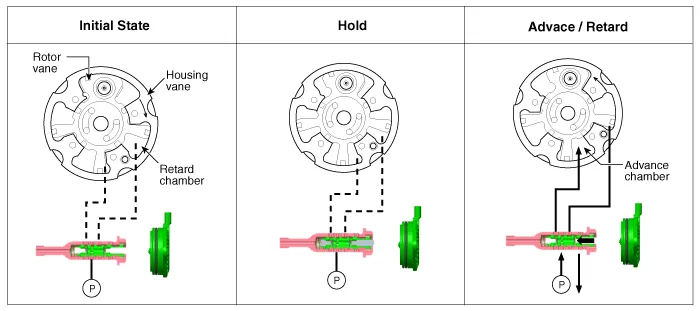
| 2. | Exhaust CVVT
|
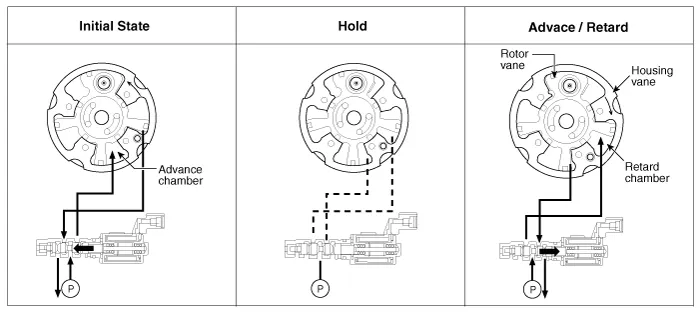
| [CVVT System Mode] |
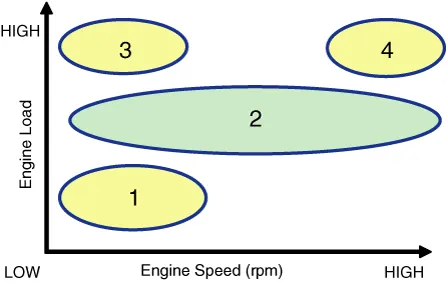
| (1) Low Speed / Low Load | (2) Part Load |
|
|
| (3) Low Speed / High Load | (4) High Speed / High Load |
|
|
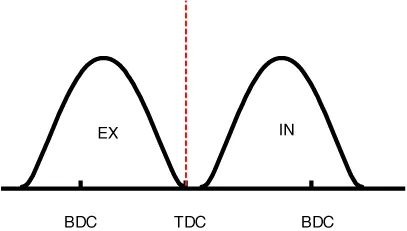
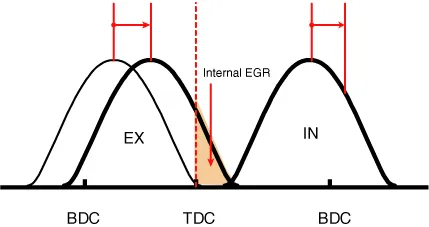
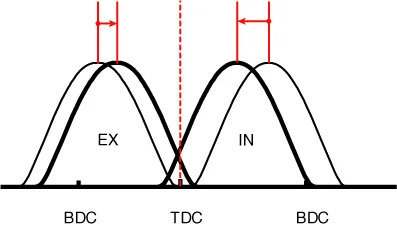
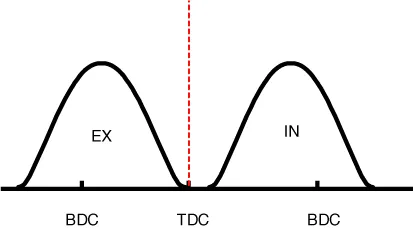
| Driving Condition | Exhaust Valve | Intake Valve | ||
| Valve Timing | Effect | Valve Timing | Effect | |
| (1) Low Speed /Low Load | Completely Advance | * Valve Under-lap * Improvement of combustion stability | Middle | * Valve Under-lap * Improvement of combustion stability |
| (2) Part Load | Retard | * Reduction of HC | Retard | * Delays the closing time of intake valve to reduce pumping loss |
| (3) Low Speed /High Load | Completely Advance | * Reduction of pumping loss | Advance | * Improvement of volumetric efficiency |
| (4) High Speed /High Load | Completely Advance | * Reduction of pumping loss | Advance | * Improvement of volumetric efficiency |
Components1. Camshaft bearing cap2. Front camshaft bearing cap3. Exhaust camshaft4. Intake camshaft5. Exhaust CVVT assembly6. Intake CVVT assembly
Removal • Be sure to read and follow the “General Safety Information and Caution� before doing any work related with the high voltage system.
Other information:
Hyundai Ioniq (AE) 2017-2022 Service & Repair Manual: Description and operation
DescriptionBlcok DiagramFunctions of Front View CameraFront View Camera supports the following functions using the information (lane, light source, vehicle and pedestrian) detected by the front view camera and the vehicle's signal information (CAN communication).
Hyundai Ioniq (AE) 2017-2022 Service & Repair Manual: Parking Distance Warning (PDW) ON/OFF Switch. Repair procedures
Removal • Put on gloves to prevent hand injuries. • When removing with a flat-tip screwdriver or remover, wrap protective tape around the tools to prevent damage to components.
Categories
- Manuals Home
- Hyundai Ioniq Owners Manual
- Hyundai Ioniq Service Manual
- Hybrid Control System
- Components and components location
- If the 12 Volt Battery is Discharged (Hybrid Vehicle)
- New on site
- Most important about car
